

What Thickness Ranges Are Available for Color Coated Steel Coil?


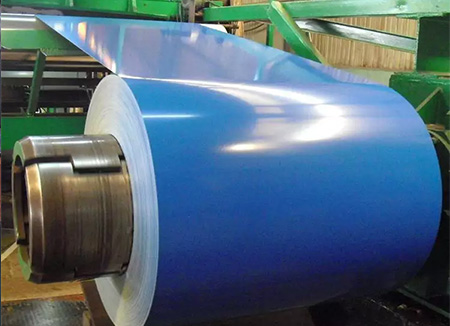
Color coated steel coil is widely used in construction, home appliances, transportation equipment, and light industrial manufacturing. One of the most important technical parameters when selecting this material is thickness. Understanding the available thickness ranges helps engineers, contractors, and buyers choose suitable specifications for structural strength, forming performance, and service life.
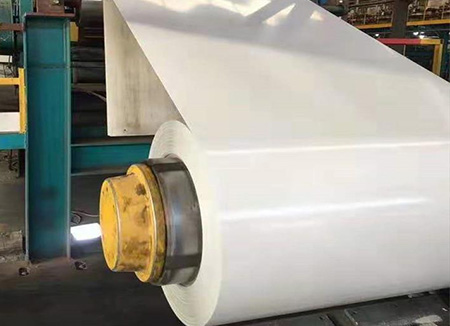
Common Thickness Range of Color Coated Steel Coil
In most production lines, the thickness of color coated steel coil generally ranges from 0.12 mm to 1.5 mm. This range covers the majority of architectural and industrial applications.
0.12 mm – 0.3 mm:
Thin gauge coils are typically used for interior panels, ceiling systems, decorative sheets, and lightweight components. These products are easy to bend and form, making them suitable for applications where load-bearing requirements are limited.
0.3 mm – 0.6 mm:
This is one of the most commonly used thickness ranges. It is suitable for roofing sheets, wall cladding, garage doors, and household appliance panels. It offers a balanced combination of rigidity and workability.
0.6 mm – 1.0 mm:
Medium-thickness coils are often selected for industrial buildings, warehouse panels, sandwich panels, and equipment housings. The higher thickness improves mechanical strength and resistance to deformation.
1.0 mm – 1.5 mm:
Thicker coils are mainly used in structural components, heavy-duty panels, and applications requiring enhanced impact resistance.
Factors That Influence Thickness Selection
Choosing the correct thickness depends on several technical considerations:
Load Requirements
Roofing and structural applications require thicker materials to withstand wind pressure, snow loads, or mechanical stress.
Substrate Type
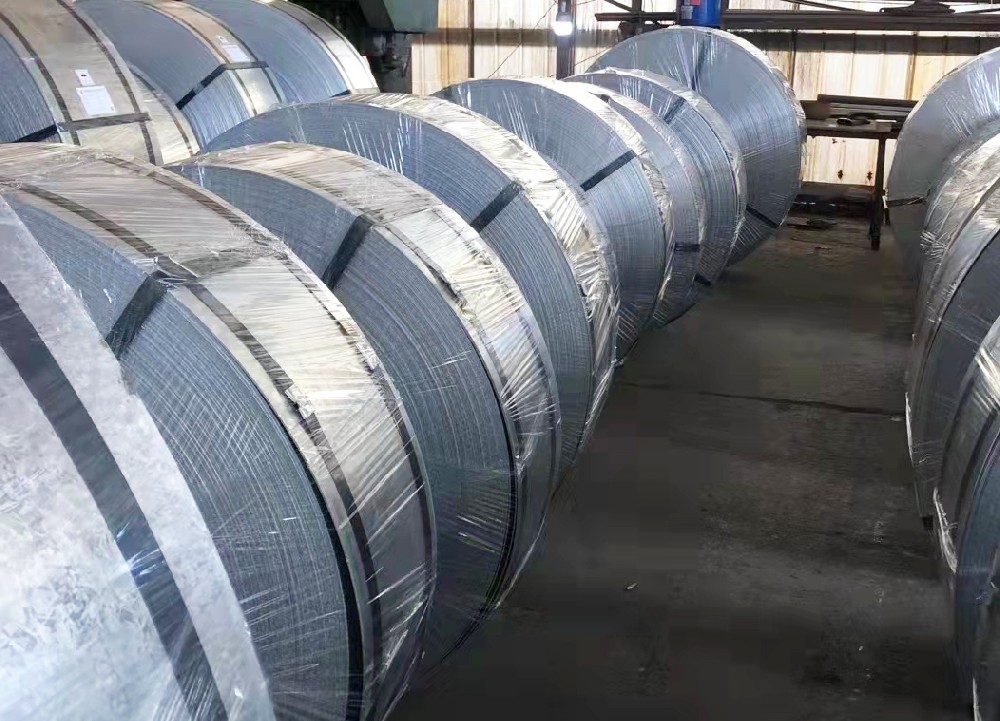
Color coated steel coil is typically produced using galvanized steel or galvalume steel as the base material. The substrate grade and coating mass also affect overall performance.
Processing Method
Bending, roll forming, stamping, or deep drawing processes may require specific thickness ranges to prevent cracking or deformation.
Cost and Weight Control
Thinner materials reduce weight and transportation costs, while thicker materials provide higher structural stability.
Custom Thickness Options
Some manufacturers can supply customized thickness outside standard ranges depending on production capability and order volume. However, availability may vary based on coating line configuration and base steel specifications.

Conclusion
The available thickness range for color coated steel coil typically falls between 0.12 mm and 1.5 mm, covering lightweight decorative uses to more demanding structural applications. Selecting the appropriate thickness requires evaluating load conditions, processing requirements, and project specifications. Careful selection ensures both functional performance and long-term durability in practical use.
-
 2025-04-01
Exploring the production process of PE polyester color-coated sheets: revealing the source of quality
-
2026-02-03
What Thickness Ranges Are Available for Color Coated Steel Coil?
-
2026-03-04
How Does the Weathering Resistance of PVDF Fluorocarbon Color Plates Compare?
-
 2026-02-17
What Are the Common Applications for PE Polyester Color Coated Board?