
What Makes SRP Anti Fading Color Coated Board Different from Standard Coils?


In architectural and industrial construction, color coated steel products are widely used for roofing, wall cladding, and structural enclosures. Among these materials, SRP anti fading color coated board has drawn attention for its enhanced surface stability compared with standard color coated coils. Understanding the differences helps project planners and procurement managers select materials that align with long-term performance requirements.
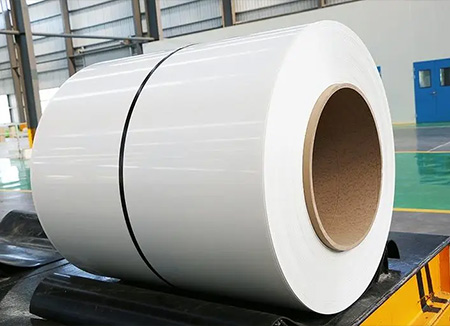
1. Coating Formulation and Resin Structure
The primary difference lies in the coating system. Standard coils typically use polyester (PE) coatings designed for general indoor and outdoor applications. While suitable for many environments, traditional PE coatings may gradually lose gloss and color intensity under prolonged ultraviolet exposure.
SRP anti fading color coated board uses a modified resin system with improved UV resistance and pigment stability. The coating formulation is engineered to reduce photochemical degradation, which slows down discoloration and chalking over time. This technical enhancement improves appearance retention, particularly in regions with strong sunlight.
2. Surface Performance and Weather Resistance
Standard color coated coils meet general requirements for corrosion protection and surface adhesion. However, in high-temperature or high-radiation climates, the coating layer may experience accelerated aging.
SRP anti fading boards are designed with improved weather resistance. The coating structure typically includes optimized cross-link density and stabilized pigments, which enhance resistance to ultraviolet radiation, temperature variation, and moisture exposure. As a result, surface gloss retention and color consistency are more stable during long-term service.
3. Manufacturing Process Control
Another difference is quality control during production. SRP anti fading color coated boards are often produced under stricter process parameters, including:
Controlled coating thickness
Precise curing temperature management
Enhanced surface pretreatment before coating
These factors contribute to stronger coating adhesion and more uniform color distribution compared with conventional coils.
4. Application Scope
Standard coils are commonly used in warehouses, temporary buildings, interior partitions, and general roofing systems. They provide reliable mechanical strength and corrosion resistance for typical conditions.
SRP anti fading color coated boards are more suitable for projects where long-term appearance is critical, such as commercial facades, public buildings, and residential developments exposed to strong sunlight. For projects that emphasize visual consistency over extended periods, this material offers a technical advantage.
5. Cost–Performance Consideration
Because of the upgraded resin system and production control, SRP anti fading boards generally have a higher initial cost than standard coils. However, reduced maintenance frequency and improved color durability may support better lifecycle value in specific applications.
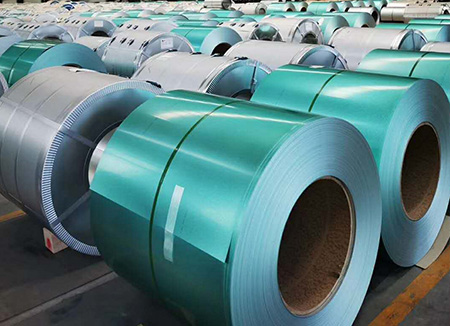
Conclusion
The key distinction between SRP anti fading color coated board and standard coils lies in coating technology, pigment stability, and long-term surface performance. While standard coils remain suitable for many construction uses, SRP products provide enhanced resistance to fading and surface aging under demanding environmental conditions. Selecting the appropriate material should be based on project location, exposure level, and expected service life.
-
 2026-02-17
What Are the Common Applications for PE Polyester Color Coated Board?
-
 2025-04-01
Color-coated sheet wholesalers face compliance challenges under policy and regulatory adjustments
-
 2025-04-01
Home appliance hardware color steel plate: key material to improve the durability of home appliance products
-
2025-04-01
Selection of coating materials for color steel coils