
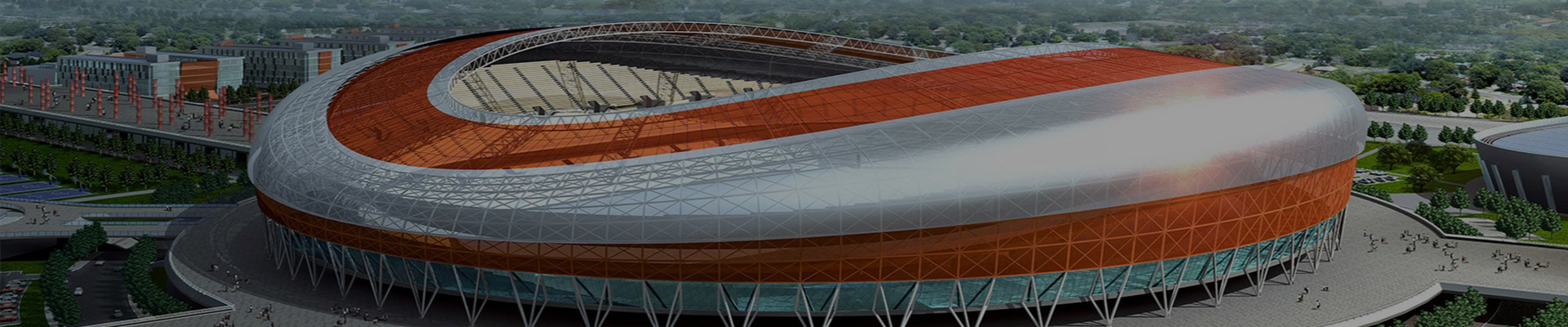
Is Automation Changing Production Efficiency for PE Polyester Boards?


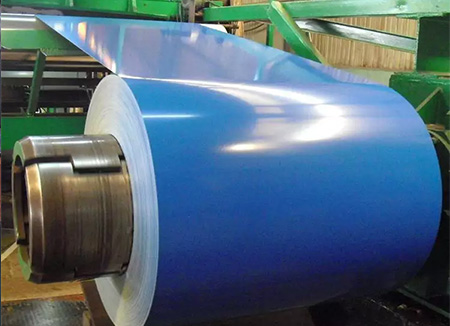
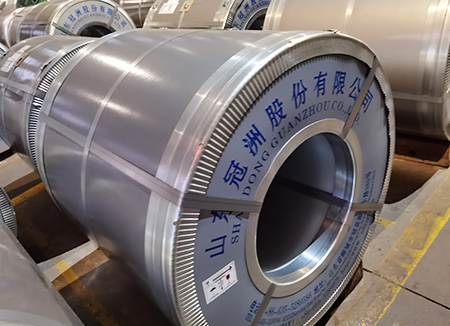
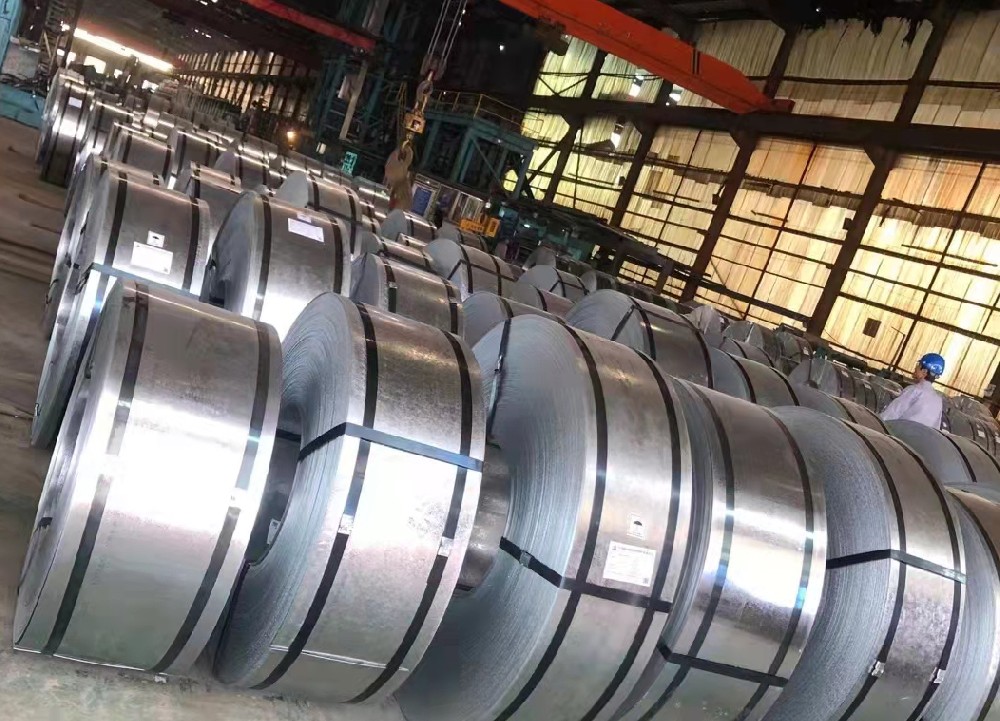
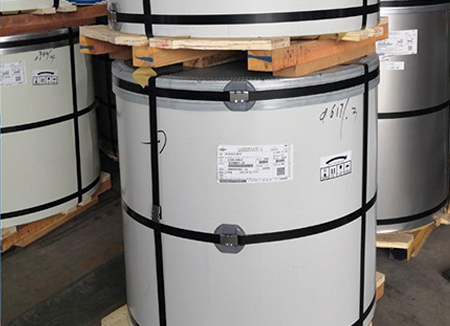
Is automation changing production efficiency for PE polyester boards? With the rapid development of smart manufacturing and Industry 4.0 technologies, automation is playing an increasingly important role in the production of PE (Polyester) coated boards. From material handling to quality control, automated systems are significantly improving efficiency, consistency, and cost performance in PE polyester board manufacturing.
1. Automated Coating and Roll-Forming Processes
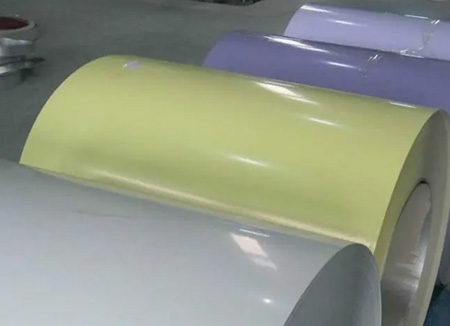
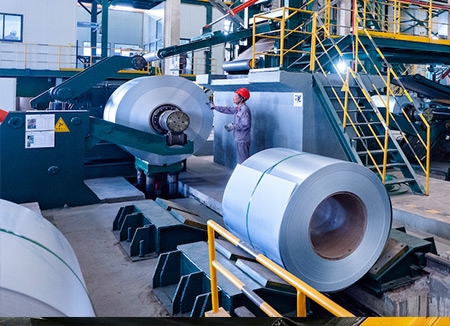
Modern production lines for PE polyester boards use automated coating and roll-forming equipment to ensure precise control of coating thickness, curing temperature, and line speed. Automation reduces human error and ensures uniform surface quality across large production volumes. This consistency directly improves production efficiency and reduces material waste.
2. Improved Production Speed and Throughput
Automation enables continuous, high-speed production with minimal interruptions. Automated feeding, coating, and cutting systems allow PE polyester boards to be produced at a faster and more stable rate compared to manual operations. Higher throughput helps manufacturers meet large-scale demand while maintaining consistent quality standards.
3. Enhanced Quality Control and Defect Reduction
Advanced automation systems often integrate sensors, cameras, and real-time monitoring technologies. These tools detect surface defects, coating inconsistencies, or dimensional deviations during production. Early detection reduces rework, minimizes scrap rates, and improves overall yield, contributing to higher production efficiency.
4. Reduced Labor Dependency and Operational Costs
By replacing repetitive manual tasks with automated systems, manufacturers can reduce labor dependency and improve workplace safety. Automation allows skilled workers to focus on supervision, process optimization, and maintenance, while routine operations are handled by machines. This shift lowers long-term operational costs and improves productivity.
5. Consistent Curing and Energy Efficiency
Automated curing ovens and temperature control systems ensure optimal curing conditions for PE polyester coatings. Precise energy management reduces over-curing or under-curing, which can affect coating performance. Improved energy efficiency not only lowers production costs but also supports sustainable manufacturing practices.
6. Data-Driven Process Optimization
Automation enables the collection and analysis of production data in real time. Manufacturers can use this data to optimize process parameters, predict maintenance needs, and improve overall equipment efficiency. Data-driven decision-making further enhances the reliability and efficiency of PE polyester board production.
Conclusion
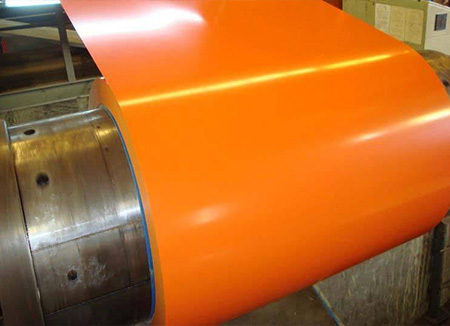
Automation is clearly changing production efficiency for PE polyester boards by improving speed, consistency, quality control, and cost management. Through automated coating systems, real-time monitoring, and data-driven optimization, manufacturers can achieve higher productivity and more reliable performance. As automation technology continues to advance, its impact on PE polyester board production efficiency will become even more significant.
-
 2026-02-17
What Are the Common Applications for PE Polyester Color Coated Board?
-
 2025-04-01
Analysis of the performance characteristics and production process of galvanized coil color coating
-
2026-01-24
What Makes SMP a Reliable Choice for Industrial Building Exteriors?
-
2026-02-24
Which Industries Rely on SRP Anti Fading Color Coated Board Most?