
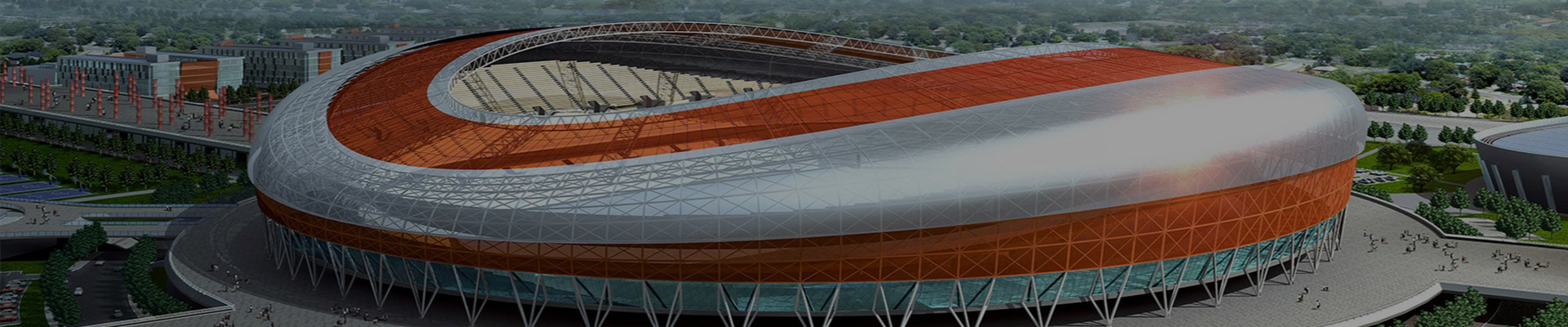
Why Is Color Coated Steel Coil Preferred for Prefabricated Buildings?


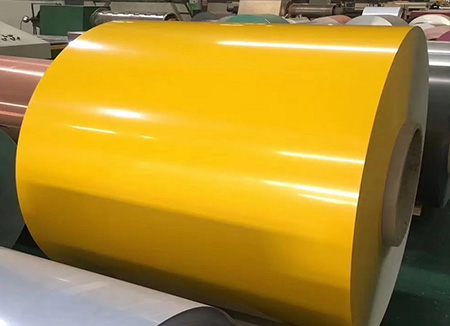
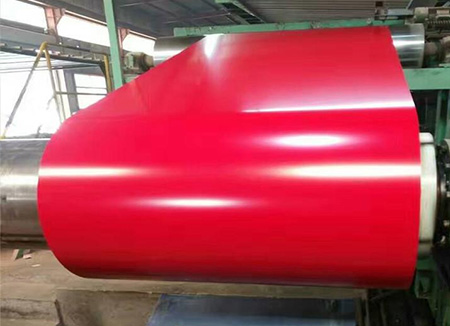
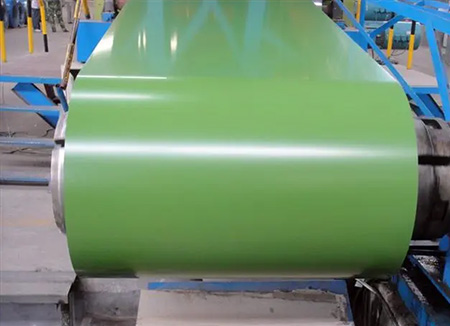
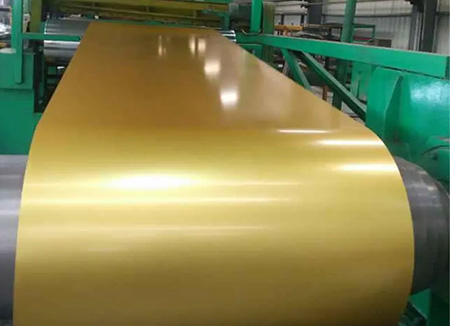
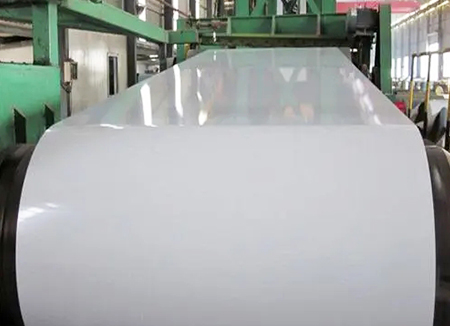
Color coated steel coil has become a widely specified material in prefabricated building systems. Its structural performance, surface treatment technology, and processing flexibility make it well suited to factory-based construction methods. As prefabrication continues to develop in industrial, commercial, and residential projects, this material plays a central role in meeting technical and architectural requirements.

Stable Mechanical Performance
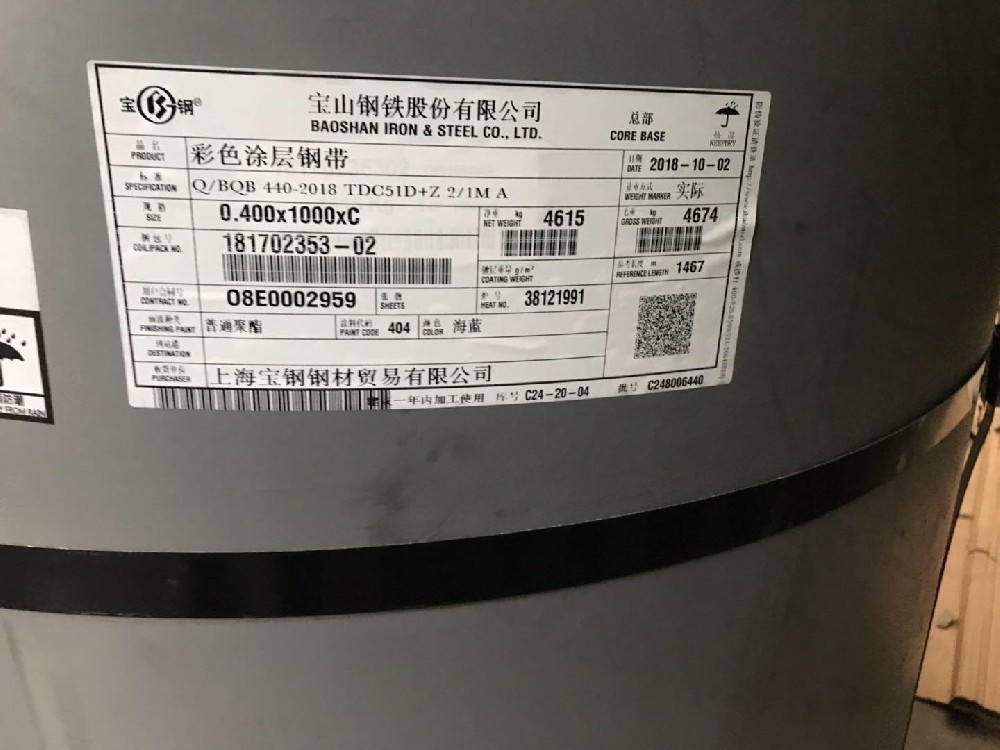
Prefabricated buildings rely on standardized components that are produced under controlled factory conditions. Color coated steel coil is typically manufactured using galvanized or galvalume substrates, followed by multi-layer coating processes. This structure provides consistent strength, good formability, and reliable load-bearing capacity.
Because the material can be roll-formed, bent, and cut without damaging the coating when processed correctly, it supports precise fabrication of wall panels, roof sheets, and structural cladding elements. Dimensional stability during installation helps improve overall construction accuracy.
Efficient Installation and Reduced Construction Time
One of the main advantages of prefabricated construction is shortened on-site assembly time. Color coated steel coil contributes to this efficiency in several ways:
Lightweight compared with traditional masonry materials
Easy integration into modular panel systems
Compatibility with sandwich panels and insulation cores
Reduced need for secondary surface finishing
Since the surface color and protective layer are applied during production, additional painting on-site is generally unnecessary. This simplifies workflow and reduces coordination between trades.
Corrosion Resistance and Surface Durability
Prefabricated buildings are often used for warehouses, workshops, temporary offices, and commercial facilities. These structures may face varying environmental conditions. The protective coating on color coated steel coil helps resist corrosion caused by moisture, temperature variation, and atmospheric exposure.
Different coating systems, such as polyester or modified polyester, can be selected according to project requirements. This allows designers and contractors to match material performance with the expected service environment.
Design Flexibility and Appearance
Modern prefabricated buildings are no longer limited to purely functional designs. Color coated steel coil is available in a wide range of colors and surface finishes, enabling more diverse architectural expression.
The material supports smooth, matte, embossed, or patterned finishes, which can enhance façade appearance. Consistent color control during manufacturing ensures uniform visual results across large building areas.
Cost Control and Lifecycle Considerations
Budget management is critical in prefabricated construction. Color coated steel coil offers a balanced combination of material cost, processing efficiency, and service life. Its factory-applied coating reduces maintenance requirements compared with untreated steel.
Additionally, the material’s compatibility with automated roll-forming and panel production lines supports large-scale manufacturing, which aligns with the industrialized nature of prefabrication.
Conclusion
Color coated steel coil is preferred for prefabricated buildings because it aligns with the core principles of modular construction: standardization, efficiency, durability, and controlled quality. Its mechanical properties, surface protection system, and processing adaptability make it a practical solution for modern building systems. As prefabrication technology continues to advance, the role of color coated steel coil is expected to remain significant across multiple construction sectors.
-
 2025-04-01
Exploring the production process of PE polyester color-coated sheets: revealing the source of quality
-
 2026-03-11
What Quality Standards Apply to HDP Color Steel Plate?
-
 2026-03-25
How Is the PE Polyester Color Coated Board Market Evolving?
-
 2026-01-24
How Do Climate-Specific Standards Impact SMP Coating Performance?