

What Quality Standards Apply to HDP Color Steel Plate?


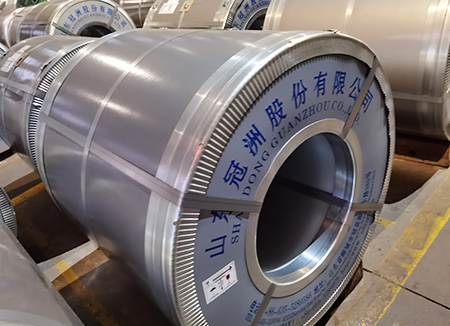
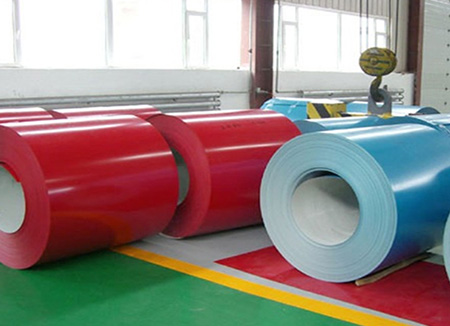
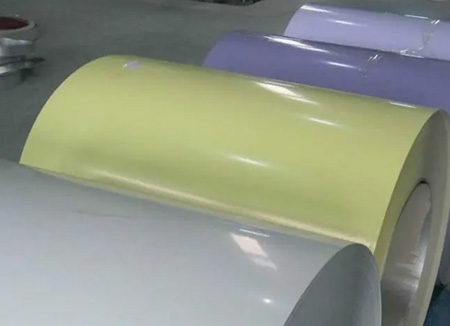
High Durability Polyester (HDP) color steel plate is a type of prepainted steel sheet designed for improved weather resistance compared with conventional polyester-coated products. It is commonly used in roofing, wall cladding, industrial buildings, warehouses, and certain appliance housings. To ensure consistent performance and compliance in different markets, HDP color steel plate must meet a combination of substrate, coating, performance, and environmental standards.
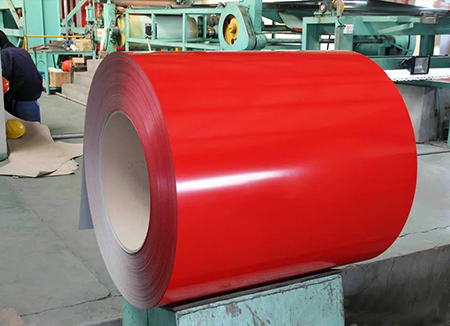
The first category of standards applies to the steel substrate and metallic coating. For hot-dip galvanized steel, ASTM International publishes ASTM A653/A653M, which specifies mechanical properties, coating weight (such as G60 or G90), thickness tolerances, and surface quality. For aluminum-zinc alloy coated steel, ASTM A792/A792M is commonly referenced. In Europe, EN 10346 defines requirements for continuously hot-dip coated flat steel products, while in China, GB/T 2518 and GB/T 14978 are frequently applied. These standards ensure the corrosion protection capability of the metallic layer before painting.
The second category covers prepainted or color-coated steel products. ASTM A755/A755M provides technical requirements for metallic-coated steel sheet that is coil-coated with organic finishes. In Europe, EN 10169 specifies performance classifications for corrosion resistance (such as RC3 to RC5) and UV resistance (RUV categories), which are directly relevant to HDP systems used in exterior environments. In China, GB/T 12754 defines coating thickness, adhesion, flexibility, impact resistance, and appearance requirements for color-coated steel sheets and coils.
Performance testing of the HDP paint system is based on standardized laboratory methods rather than marketing descriptions. Typical evaluations include salt spray testing in accordance with ASTM B117, UV weathering tests under ASTM G154 or ISO 4892, adhesion testing (ASTM D3359 or ISO 2409), and T-bend or impact resistance testing. These objective test methods allow designers and buyers to compare HDP coatings with standard polyester (PE) or fluoropolymer systems on a measurable basis.
Environmental and regulatory compliance is also relevant. Depending on the target market, HDP coatings may need to comply with chemical regulations such as REACH in the European Union or restrictions on hazardous substances in appliance applications. Control of volatile organic compounds (VOC) during coating production is subject to local environmental regulations.
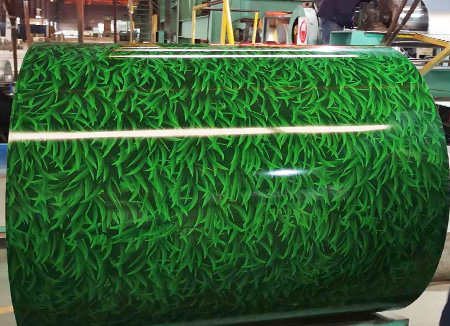
In practice, the applicable quality standards for HDP color steel plate depend on project location, application environment, and contractual technical specifications. Referring clearly to recognized standards—rather than relying on general performance claims—provides a transparent and verifiable basis for product selection, quality control, and long-term durability assessment.
-
 2026-03-25
What Is PE Polyester Color Coated Board Used For?
-
 2025-04-01
How can the color steel coil slitting industry adapt to the diversified market needs?
-
 2026-02-10
How Does Weather Resistance Compare for SMP Color Coated Board?
-
 2026-02-17
Where Is PE Polyester Color Coated Board Most Commonly Installed?