
How Does Weather Resistance Compare for SMP Color Coated Board?


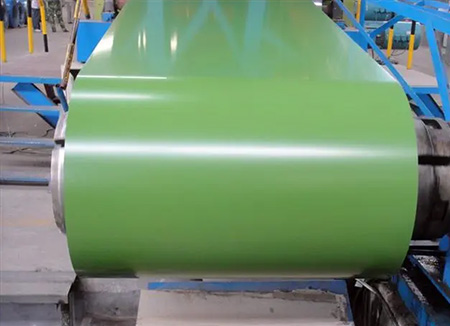
SMP (Silicone Modified Polyester) color coated board is widely used in roofing, wall cladding, and industrial building systems due to its balanced mechanical performance and surface durability. When evaluating building envelope materials, weather resistance is a key technical indicator. This includes resistance to ultraviolet radiation, temperature fluctuation, humidity, rainfall, and atmospheric corrosion. Understanding how SMP color coated board performs under these conditions helps project planners make informed decisions.
UV Resistance and Color Stability
One of the main challenges for exterior metal panels is prolonged exposure to sunlight. SMP coatings incorporate silicone-modified polyester resin, which enhances cross-linking density in the paint film. This structure improves resistance to ultraviolet degradation compared with conventional polyester coatings.
In practical applications, SMP color coated boards generally show slower chalking and fading under long-term sun exposure. While no coating is immune to aging, SMP systems typically maintain surface gloss and color consistency for a longer service period than standard PE coatings, especially in regions with strong solar radiation.
Moisture and Humidity Performance
Weather resistance also depends on how well the coating protects the steel substrate from moisture penetration. SMP coatings form a dense and continuous film that limits water ingress. When combined with proper pretreatment and galvanizing or galvalume substrate layers, the system provides reliable corrosion protection in environments with moderate to high humidity.
In coastal or industrial areas with elevated salt or chemical exposure, SMP performs better than basic polyester coatings, though it may not match the long-term durability of high-end fluorocarbon systems. Therefore, environmental classification should be considered during material selection.
Temperature Tolerance and Thermal Cycling
Outdoor panels are frequently exposed to thermal expansion and contraction due to day–night temperature variation. SMP coatings are formulated to maintain flexibility while preserving adhesion to the substrate. This reduces the risk of cracking or delamination during repeated thermal cycles.
In climates with significant seasonal changes, SMP color coated boards maintain structural integrity and coating adhesion when properly installed. The performance depends not only on the coating type but also on coating thickness and curing quality during manufacturing.
Resistance to Rain and Atmospheric Pollutants
Rainwater, airborne particles, and industrial emissions can gradually affect coating surfaces. SMP coatings provide a relatively smooth surface that reduces dirt accumulation and facilitates natural cleaning by rainfall. This helps maintain visual appearance over time.
For projects located in heavy industrial zones or marine environments, additional specification review is recommended. In such cases, coating thickness and topcoat formulation should align with the local exposure category.
Overall Comparison
Compared with standard polyester (PE) color coated boards, SMP offers improved UV resistance, better gloss retention, and enhanced durability under variable weather conditions. While it may not reach the performance level of PVDF coatings in highly aggressive environments, SMP represents a practical and cost-efficient solution for many commercial, agricultural, and light industrial buildings.
In summary, SMP color coated board provides a balanced level of weather resistance suitable for a wide range of exterior applications. Proper substrate selection, coating thickness control, and installation practices remain essential factors in achieving expected service life.