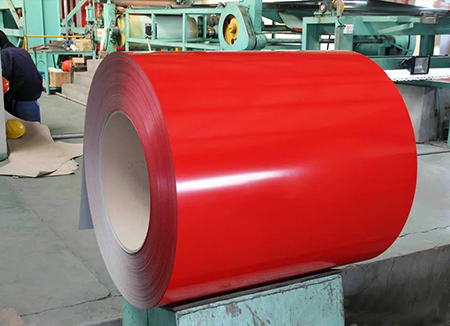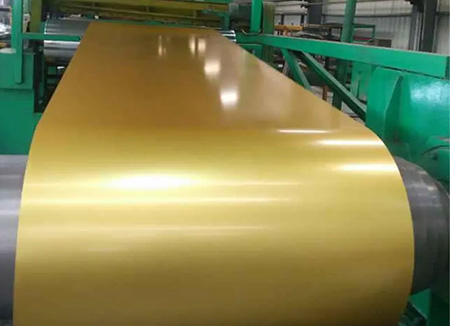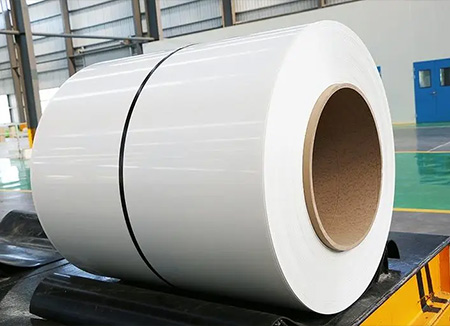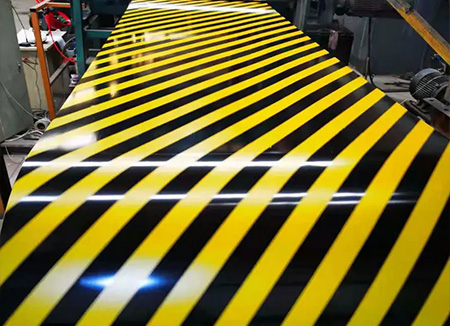

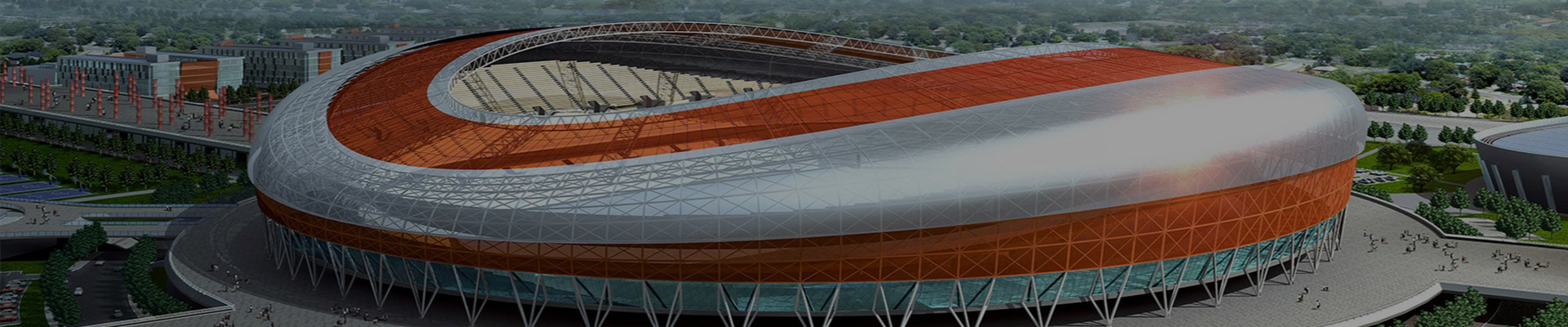
Why Choose PVDF Fluorocarbon Color Plate for Cladding?


In modern façade engineering, cladding materials must provide structural protection, long-term aesthetic stability, and reliable performance under environmental stress. PVDF fluorocarbon color plate is widely specified for these reasons, particularly in commercial and industrial architecture.
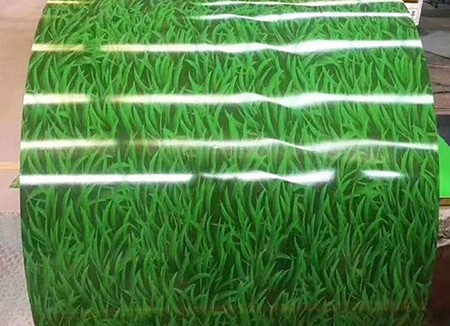
1. Excellent Weather and UV Resistance
PVDF (polyvinylidene fluoride) resin contains highly stable carbon–fluorine (C–F) bonds, which give the coating strong resistance to ultraviolet radiation. Compared with conventional polyester coatings, PVDF systems show slower color fading, reduced chalking, and better gloss retention. Well-known PVDF resin technologies such as Kynar 500 and Hylar 5000 have been used in architectural coil coatings for decades, supporting their track record in long-term exterior exposure.
2. Reliable Corrosion Protection
When applied over galvanized steel, Galvalume steel, or aluminum substrates, PVDF coatings act as an additional barrier against moisture, salt, and atmospheric pollutants. This makes PVDF fluorocarbon color plates suitable for coastal areas, high-humidity regions, and industrial environments. Actual corrosion resistance depends on the complete system design, including substrate quality and coating thickness.
3. Stable Color and Aesthetic Performance
Architectural façades often require consistent appearance over many years. PVDF coatings support high-performance pigments that help maintain color uniformity and surface finish. This is especially important for large commercial buildings, airports, and public facilities where visual consistency is a design priority.
4. Good Formability for Cladding Systems
PVDF-coated metal sheets are typically produced through controlled coil-coating processes. When properly specified, the coating maintains adhesion and flexibility during bending and roll-forming, allowing fabrication into wall panels, curtain wall components, and profiled sheets.
5. Long Service Life with Low Maintenance
Due to their weather resistance and surface stability, PVDF fluorocarbon color plates generally require less frequent repainting or replacement compared with lower-grade coatings. This contributes to predictable lifecycle costs in long-term building operation.
Conclusion
PVDF fluorocarbon color plate is chosen for cladding primarily because of its UV resistance, corrosion protection, and long-term aesthetic stability. When combined with appropriate substrates and installed correctly, it provides a durable and technically reliable solution for building envelopes without relying on exaggerated performance claims.
-
 2025-04-01
The core role of home appliance hardware color steel plate in intelligent home appliances
-
 2026-01-24
What Makes SMP a Reliable Choice for Industrial Building Exteriors?
-
 2025-04-01
Color matching and architectural design: the artistic beauty of the color card comparison industry of color steel coils
-
 2026-01-03
What Are the Key Sustainability Certifications for Color Coated Steel?